
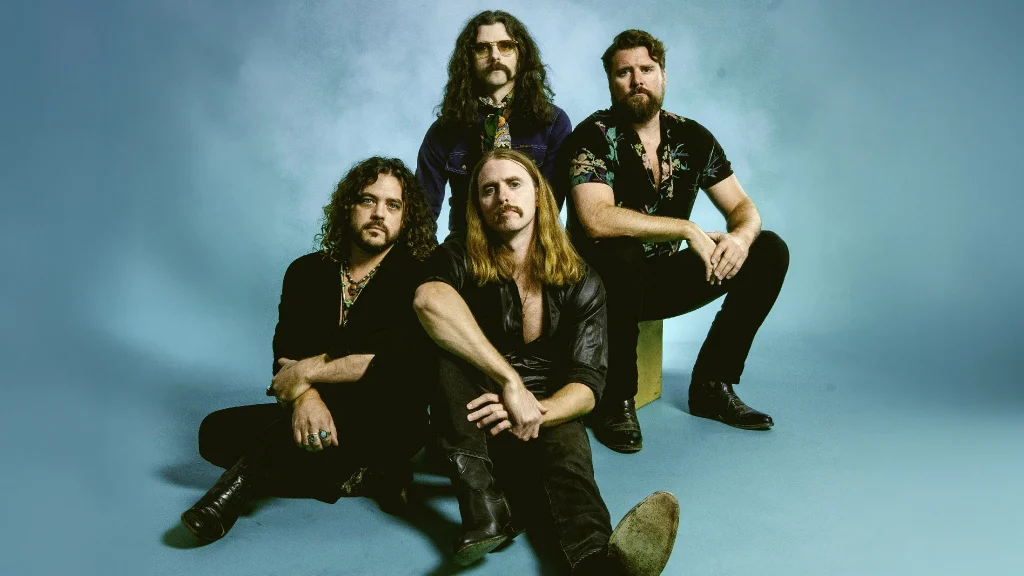
With Keep Out of the Storm still very much present in their setlist, The Sheepdogs are preparing to close out the year by taking their Southern rock to venues across Europe. Before kicking off their UK tour and subsequently heading to Europe, we had the opportunity to speak with Ewan and Ryan Gullen about the band’s current situation, the response to the songs from their latest album, and a career spanning more than two decades.
Throughout our conversation, we also looked back at the evolution of their sound, their special connection with Spanish audiences and their plans for the future, while discovering some of the stories behind their songs and live performances.
At the beginning of December, The Sheepdogs will be coming to Spain to perform Keep Out of the Storm live. Another opportunity to experience the energy that, as they acknowledge during the interview, makes Spanish audiences one of their favourites.
M.S: Hi, guys. Thank you very much for joining us at Metal Symphony. How are you doing? You’re just two days away from kicking off your UK tour. How have these days off been after the East Coast tour?
Ewan: We haven’t had much time to rest. We played a couple of shows in Toronto between the two tours. We’re trying to get ready for the next leg.
Ryan: Basically, we finished one tour and immediately started getting ready for the next one. I have to travel tonight and Ewan tomorrow, so we’re already getting ready to carry on. But everything’s good.
M.S: How are the songs from your new album, Keep Out of the Storm, going down live?
Ewan: I think they’re going really well. We’re playing about five or six songs from the record every night, sometimes a few more and sometimes a few less.
At this point in our career, we have to find a balance. We’ve been together for a long time and we have a pretty extensive catalogue to choose from. We want to give the new album some attention and play its songs, but we also want to perform those older tracks that the audience knows and expects to hear when they come to our shows.
It’s always a good sign when you see people enjoying the new songs. We don’t want to just play our latest record and then rely exclusively on the older material. We want to remain a current band, release new music and see that what we’re doing still has value. It makes us feel good to know that we’re not simply becoming a band that plays its greatest hits.
M.S: You’re starting your UK tour in two days. Will you be making any changes to the setlist or keeping it the same?
Ryan: We usually mix things up. There are some songs we play every night, but, as Ewan said, we have a lot of different songs that people want to hear. It’s also fun for us to change things around and vary the setlist from one show to another.
We try to introduce some changes, although once you find a good flow, it’s difficult to break it up. By the end of a tour, the setlist is usually pretty well established and we end up playing similar shows every night.
We also have a few moments during the show that aren’t completely set in stone and can change from one night to the next. That gives each performance something different.


M.S: With so much going on, I don’t know if you’ve had time to stop and think about the fact that you’ve been together for more than twenty years. How do you look back on this journey?
Ewan: Yes, we’re aware of it. I think it’s been about 22 and a half years. Every now and then we look back and reflect on it.
It’s a very complicated world. Playing rock and roll requires a lot of focus and dedication, because you have to manage a business, your personal life, your life as a musician and constantly being on the road.
It’s difficult to sit down and say, “Wow, we’ve been doing this for twenty years!”, because you’re usually thinking about the next album or the next tour.
But it’s important to appreciate what we’ve achieved. Ten years is already a long time. The Beatles were together for about nine years, and many bands don’t last very long. The Police, for example, were together for five years and ended up hating each other.
So it’s a significant achievement, even though we don’t tend to look back too much. We try to keep working on good music, putting on good shows and keeping our band going.
Ryan: I think one of the reasons we’ve managed to stay together for so long is that we’ve always been clear that we all want the same thing. We want to make the music we like and do it our own way, not the way someone else tells us we should.
We’ve never felt the need to change the way we work because of outside pressure. That’s why we remain focused on the future rather than on how long we’ve been a band.
M.S: Do you have other jobs besides music?
Ewan: No.
Ryan: No.
M.S: Congratulations, because in Spain it’s quite difficult to make a living exclusively from music.
Ewan: It’s the same here. It’s not easy. We’ve had to work really hard to make it happen.
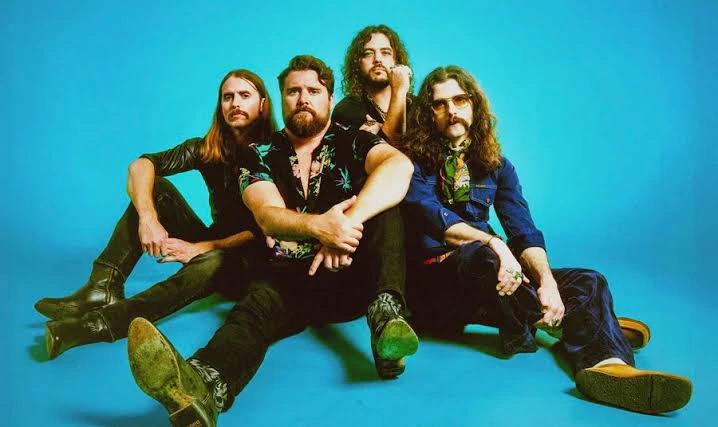

M.S: The album has been out for several months now. How would you sum up its reception? Has the audience responded the way you expected?
Ryan: The response has been really positive. When we make a record, we always start from the idea that if we like it, we hope other people will like it too.
And it seems to have been received really well. As we were saying earlier, when you release new music, you hope people will respond positively. And when you take those songs on the road, that’s the best way to find out how the audience is reacting to them.
The reviews have also been really good, but the most important thing is seeing how people react when we play those songs. They’re really enthusiastic, and that’s fantastic.
When you’ve been doing this for so many years, there’s always a little concern that the audience might start going off to get a beer when you begin playing the new songs.
Our goal is to keep making quality music that fits in with the rest of our catalogue and that people want to hear. We don’t want anyone heading off for a beer when we start playing new material.
M.S: What does Keep Out of the Storm really mean? What does the storm in the title represent?
Ewan: It could represent anything that threatens you in life, something dangerous that you want to protect yourself from. Deep down, it’s about that constant search for a safe place and finding shelter.
There are many ways to interpret the title. I live on the west coast of Canada, where we literally have a lot of storms, so there’s also a reference to something that’s part of my everyday life.
But metaphorically, I think we’re all descended from those cavemen who looked for a cave and a fire to protect themselves from any animal that might kill them. Deep down, we’re all still looking for that sense of security.
M.S: “Nobody But You” is a great song. What kind of response has it received? Have you noticed that it’s helped you reach new listeners?
Ewan: Yes, I think we’ve managed to do that. We started playing it live during our tour with Bryan Adams across Canada.
Bryan Adams is a genuine international star, so on that tour we were playing in front of a lot of new people. It was the first song from the new record that we started playing because it had been released as the lead single.
It’s a really fun song. It has a great combination of sweet melodies and heavy riffs. That’s my favourite kind of rock and roll.


M.S: Is there another song on the album whose response from the audience has particularly surprised you?
Ewan: Sometimes we play one of the slower songs Seamus wrote, but we also tend to play “Take a Look at Me Riding”.
Ryan: The album version has trombones.
Ewan: Yes, it has trombones. We play it most nights and we’ll probably take it to some of the European shows as well.
Halfway through the song, Seamus gets up and plays the trombone. I think the audience has seen us use this instrument on a few occasions, but it’s not something you would normally expect to find in a rock and roll song.
Ryan: We also find it really funny that people are using this song at their weddings. We like making music that combines love and sweetness with rock and roll, and that was kind of the idea behind this track.
It’s great to hear that someone is playing it at home or tells us it’s become one of their favourite songs. We love knowing that our music is part of those little moments in people’s lives.
M.S: In 2024 you released two EPs, Paradise Alone and Hell Together. Were they a kind of transition towards this new album, or do you consider them separate projects?
Ewan: We went to Memphis to do some recording. We usually record in Toronto, where most of the band lives, but travelling to Memphis involves a significant expense: you have to pay for flights, accommodation and work in a good studio with an excellent sound engineer.
So we went there for five days and recorded five songs, I think. I can’t remember exactly how many. We didn’t overthink it: we just went there and recorded them.
Afterwards, we decided to release that material, and later we went back to record a few additional songs.
I think the two parts can fit together, but it wasn’t something we recorded all at once and then decided which songs would go on each release. They were made separately and are independent pieces.
We also learned that European audiences really like full-length albums and don’t always respond to EPs in the same way.
Ryan: On the other hand, those were the first two releases where we started experimenting with our own way of putting music out. One of the things we wanted to achieve was having more freedom to decide when to release new songs.
We wanted to see what would happen if we released music while we were recording it, instead of waiting a long time until we had a complete album.
In both cases, the releases came just before we started a tour, so we thought it would be a good way to give people new songs before hitting the road. We simply wanted to try something different from what we’d traditionally done.
M.S: Now that you’ve had time to live with the album, is there anything you’d change, or are you completely satisfied with the result?
Ewan: I think every time we finish and release a record, there are a million decisions we’ve had to make. You worry about the arrangements, the recording details, then the mix, the levels of each instrument, the position of every element and finally the mastering.
By the time you get to the end, you’re pretty tired of analysing everything, but you have to accept that it’s finished and that it is what it is.
Once we get to that point and the album comes out, I’m at peace with the result. I don’t have that feeling of wanting to go back and change things. It’s the record we’ve made.
A very important part of finding our own sound, especially when we were a young band, was learning to accept who we were musically.
We listened to the Beatles, Led Zeppelin and Creedence Clearwater Revival and tried to sound like our heroes. But no matter how hard you tried, you could never sound exactly like them.
And that’s precisely what allows you to find your identity. The Beatles were also trying to sound like the Everly Brothers or Buddy Holly, but in the end they ended up sounding like the Beatles. And I’m glad they didn’t just stick to trying to imitate Buddy Holly.
That’s an important lesson: you have to accept what you’ve created, because that’s who you are and what defines your sound.
Ryan: I also think that once the album is finished, we don’t usually sit down and listen to it over and over again. In fact, we stop listening to it and start playing those songs live.
The songs evolve naturally and change as we perform them on stage. That’s why, for us, the album is a kind of snapshot of a particular moment in time.
We don’t spend too much time thinking about what we’d change afterwards. The songs evolve on their own when we play them live, and that’s part of their journey.

M.S: The album has a relatively laid-back sound, but your concerts are much more intense and powerful. Do you deliberately aim for that contrast, or do you simply let yourselves go on stage?
Ewan: That’s a good question and a really interesting observation.
I really like quieter music and I probably listen to more of that kind of music when I’m at home or travelling. But I think that when you’re on stage, it’s easier to capture the audience’s attention with intense, high-energy rock and roll.
We’ve always avoided playing too many slow songs live. Even in our early days, we paid a lot of attention to what was happening in the audience.
Going back to what Ryan said about changing the setlist, if we introduce a song and see that it’s not working, we probably won’t play it again, at least for a while. We’re very attentive to those reactions.
Sometimes the opposite happens: I make a mistake, play a song the wrong way, but it turns out to work, and we think we should do it again.
We’ve learned that the kind of audience that usually comes to our shows is ready to enjoy a genuine rock and roll spectacle, and that also shapes the way we perform.
We’re a band that really pays attention to the audience. Their energy influences us enormously. We’re not the kind of band that can ignore the crowd and say, “Listen to us, we’re going to play whatever we want”.
We want the audience to get excited, to feel involved, and we want to be able to feel that energy too.
Of course, there will be some quieter moments during the show, but when you’re on stage and people are that excited, it’s very hard not to want to rock.
M.S: It’s been two years since you last visited Spain. What memories do you have of the Spanish audience?
Ewan: I have really good memories and some interesting stories.
Ryan: We’re often asked where the craziest audiences are, and Spain is one of the places we always mention.
The energy we’ve received here, ever since we first started playing in Spain, has been genuinely different from what we’ve experienced in many other parts of the world.
We’re always really excited when we come here. It’s an energy we don’t find just anywhere.
We even remember those first visits, when we were still building our audience. As we’ve grown and played in more cities, that connection has remained. That energy and the crowd’s response are what we remember most.
We always have great memories of our shows in Spain.
Ewan: I remember one occasion when we’d been out really late the night before and had a bit of trouble with the police. It was quite a difficult night.
The next day we had a show that didn’t start until 12:30 a.m. I couldn’t believe it! We normally play at around nine in the evening.
We were exhausted, completely worn out, but the audience was so excited that they wouldn’t stop jumping and singing along to our guitar riffs. Like football chants!
I’d never seen anything like that in any other country.
Spain has always had our hearts. We love finding an audience with that much energy, and that’s exactly what you are.
M.S: With every tour, you’re playing to bigger audiences here. Do you feel that Spain is becoming an increasingly important stop on your European tours?
Ryan: I hope so! Absolutely. From the very beginning, it’s been one of the places where we’ve always felt so welcome.
It’s fantastic to see the audience growing and the shows getting bigger. Spain is one of our favourite places.
In fact, we don’t usually spend too much time without playing shows, but when we have days off during a tour, Spain is one of our favourite destinations to stay in and enjoy the country.
We’ve had a great time here even when we haven’t come to play. It would be difficult to leave Spain out of a tour, both because our popularity is growing and because it’s a fantastic place to visit.
Ewan: We love the culture, people’s attitude, the atmosphere in the cities, the food, the drinks and the way you live. It’s a beautiful country.
Ryan: Last year, in November, I was in Spain on holiday with my wife. I wasn’t there to play, but to enjoy the country. She had never been to Europe, and I wanted to take her to see different places.
We’re also checking the weather right now because the tour will take us to places very far north, like Oslo and other Scandinavian countries, before we eventually reach Spain.
Ewan has sent us a weather report so we know what clothes to bring. It looks like it’ll be warmer in Spain, while we’ll have rain in Oslo.
We’re going to have to bring a lot of different shoes and clothes.
Oslo will probably have a climate similar to Canada’s. Although it depends on the time of year, because I’ve never been there when it’s been extremely cold.
I’m in Toronto this morning, and it’s not exactly warm here either. It’s one of the coldest areas in Canada, although we’re not doing too badly right now. We’ll probably find snow and much lower temperatures in Oslo.


M.S: Lately, we’ve been seeing some pretty ugly and expensive merchandise at many concerts. Yours, however, is really nice and varied. Is that something you also take particular care over?
Ryan: Very much so. We really want our merchandise to be good because we want people to buy it.
It’s something that helps us finance what we do, so we devote quite a bit of time and effort to it. We also try to find ways to keep it affordable.
We all know what happens when you go to a big arena show and find T-shirts that cost a hundred dollars. And, on top of that, they’re often not even particularly good T-shirts.
We want to sell things that people genuinely want to wear and use. It also benefits us when people wear our shirts, because it’s a way of keeping our music out there.
It’s something we take very seriously.
There’s another important issue, too. For a long time, it was really difficult to get our albums in Europe because our record label wasn’t distributing them here.
That was something that concerned us quite a bit. Eventually, we managed to get a deal that allowed us to make our records available in Europe.
It’s been great to be able to sell more albums. Selling them directly at our shows had always been fantastic, but it’s also important for people to be able to find them in stores.
M.S: We’ll see you in Spain at the beginning of December. What would you say to your Spanish fans to encourage them to come back to your shows?
Ewan: I don’t know. Just come along! How do you say “just do it” in Spanish?
We have fun everywhere, but Spain is probably my favourite country in Europe.
We’re really excited about those shows. There’s a whole circle of countries around our Spanish dates, and we’re really looking forward to getting there.
We’re also going to bring something special to those shows.
If there’s one thing I can guarantee, it’s that we’ll probably drink more wine before those shows than at any other point on the tour.
They’ll be some of the last dates of the run, and it’ll already be December.
We’ve been talking a lot about how well our shows are going right now. The band is playing really well, and we feel we’re in a fantastic place.
So we’re looking forward to December and bringing all that energy to the Spanish audience.
M.S: After this European tour, we see that you’ll be returning to the United States. Is there still a lot of mileage left in Keep Out of the Storm?
Ryan: Yes, we have more shows in Canada and the United States at the beginning of next year. After that, we’ll have played pretty much everywhere we had planned to go.
That’s when we’ll be able to start thinking about new music, of course.
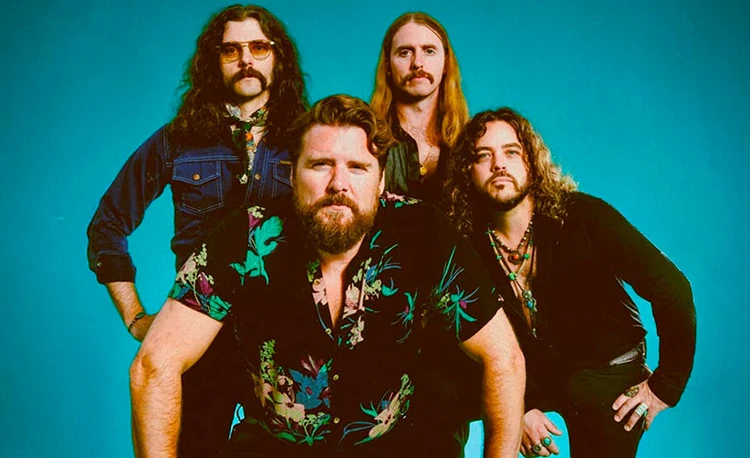

M.S: Do you already have ideas for new songs, or even plans to go back into the studio?
Ewan: Yes, eventually. It’s been a very busy period, but I need to sit down and write some songs.
There are a couple of ideas going around in my head, although I still need to find the time to finish all these tours.
It’s difficult to do both things at the same time.
M.S: We’re coming to the end of the interview. Thank you very much for your time. Could you send one final message to all your Spanish fans and the readers of Metal Symphony?
The Sheepdogs: Have a great day, and we’ll see you soon in Spain!
Ewan: And bring me some jamón! (Laughs)
David Aresté